On this page
Vaccine schedules are one of the few places where what a clinic offers and what the guidelines recommend can quietly diverge. Knowing the difference between a core and a non-core vaccine turns the yearly reminder postcard into a conversation rather than an invoice.
The reference point in the United States is the American Animal Hospital Association, whose canine vaccination guidelines were published in 2022 and updated in 2024. The 2024 update moved leptospirosis from non-core to core, so an older vaccine chart, or an older article, may still list it as optional.
Key figures
- three years Combination booster interval after the first year
- every year Leptospirosis booster interval after the first year
The five core vaccines
AAHA classifies as core the vaccines it considers appropriate for every dog, regardless of lifestyle:
- Canine distemper virus
- Canine adenovirus type 2
- Canine parvovirus type 2
- Leptospirosis, a killed vaccine against bacteria carried by wildlife and rodents
- Rabies, which is also a legal requirement in most states
The first three usually arrive together in a single combination injection, often with parainfluenza included.
Why puppies need a series and adults do not
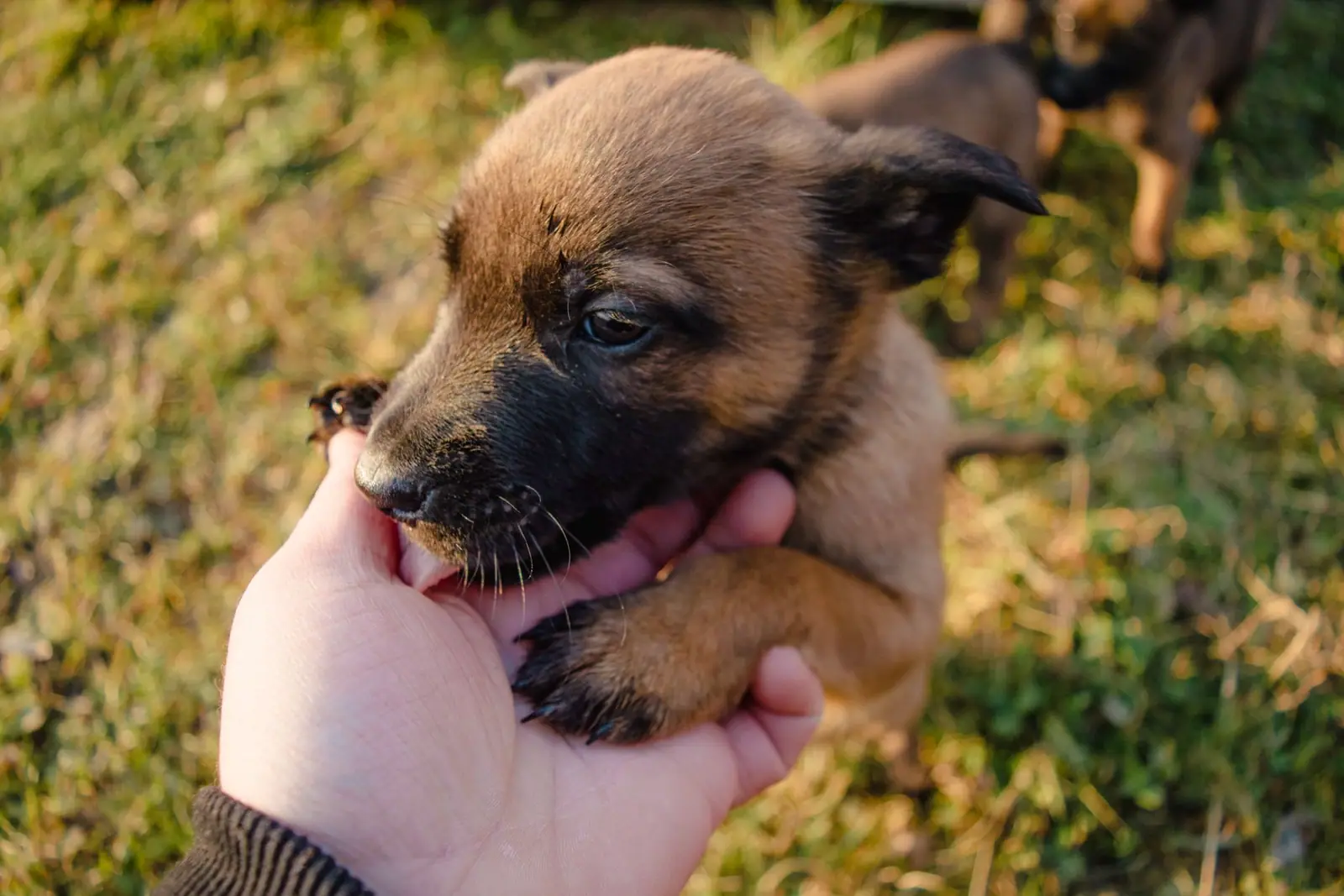
A puppy is born with antibodies from its mother. Those antibodies protect it and also block the vaccine from working. Nobody knows the exact week they fade for an individual puppy, so the series is repeated to catch the window when the puppy can finally respond.
AAHA’s schedule: at least three doses of the combination vaccine between 6 and 16 weeks of age, two to four weeks apart, followed by a single dose within one year of the last puppy dose.
After that, the combination vaccine goes to three-year intervals.
Leptospirosis runs on its own schedule: two doses two to four weeks apart, starting at 12 weeks of age, then one dose within a year. After that, AAHA recommends a booster every year. An adult dog that never had it starts with two doses, two to four weeks apart, whatever its age.
Why leptospirosis moved to core
For years the vaccine was aimed at hunting dogs and dogs that swim in standing water. AAHA’s guidelines director put the new position plainly: any dog that goes outdoors, in a city as much as on a farm, can be exposed. The bacteria are spread by wildlife and rodents, and the disease can pass to people.
The change followed an October 2023 consensus statement from the American College of Veterinary Internal Medicine, which recommends vaccinating all dogs every year from 12 weeks of age, regardless of breed. Members of the AAHA task force also noted that current leptospirosis vaccines do not appear to cause more reactions than other vaccines, which was the usual reason owners declined it.
Non-core: it depends on where the dog goes
These are recommended based on actual exposure risk, not on principle:
| Vaccine | Who it is for |
|---|---|
| Bordetella | Dogs that board, attend daycare, training classes or grooming |
| Canine influenza | Dogs in the same group settings, in regions with outbreaks |
| Lyme | Dogs in tick-heavy regions with outdoor exposure |
| Rattlesnake | Narrow geographic and lifestyle use |
The honest answer for most of these is regional. Your vet knows what is circulating where you live; a national article cannot.
When a reminder arrives, ask which of the vaccines is core and which is non-core, and what exposure makes each non-core one worth giving for this particular dog. The answers should be specific.
The titre question
A titre test measures antibodies in the blood as a proxy for protection. It is genuinely useful in some cases, for a dog with a history of vaccine reactions, or where the vaccination history is unknown. It is not a legal substitute for rabies vaccination, which is set by state law rather than by veterinary guidelines.
The first-year cost guide places planned veterinary spending alongside setup. The boarding cost guide identifies provider admission requirements separately from the medical plan.
Questions people ask
Do dogs need vaccines every year?
Some of them. After the first-year dose, AAHA puts the distemper, adenovirus and parvovirus combination on a three-year interval, but leptospirosis is boosted every year. Some non-core vaccines, such as Bordetella, are also given more often.
When can a puppy go outside?
The veterinary behaviour guidance is not to wait for the full series. Puppies can and should be socialised carefully after their first set of vaccines, with the risks managed rather than avoided.
Is the leptospirosis vaccine necessary?
AAHA now lists it as core, which means it is recommended for every dog unless there is a medical reason not to. The 2024 change followed an ACVIM consensus statement recommending yearly vaccination for all dogs from 12 weeks of age, because dogs in cities are exposed as well as dogs in the country.
What happens if a booster is late?
Ask your vet rather than assuming. Depending on how late and which vaccine, the answer ranges from carry on as normal to restarting the series.
Where these figures come from
- 2022 AAHA Canine Vaccination Guidelines American Animal Hospital Association · aaha.org
- Recommendations for core and noncore canine vaccines American Animal Hospital Association · aaha.org
- Update: AAHA guidelines designate Leptospirosis vaccine as core AAHA NEWStat · aaha.org
Figures last checked October 2026.