On this page
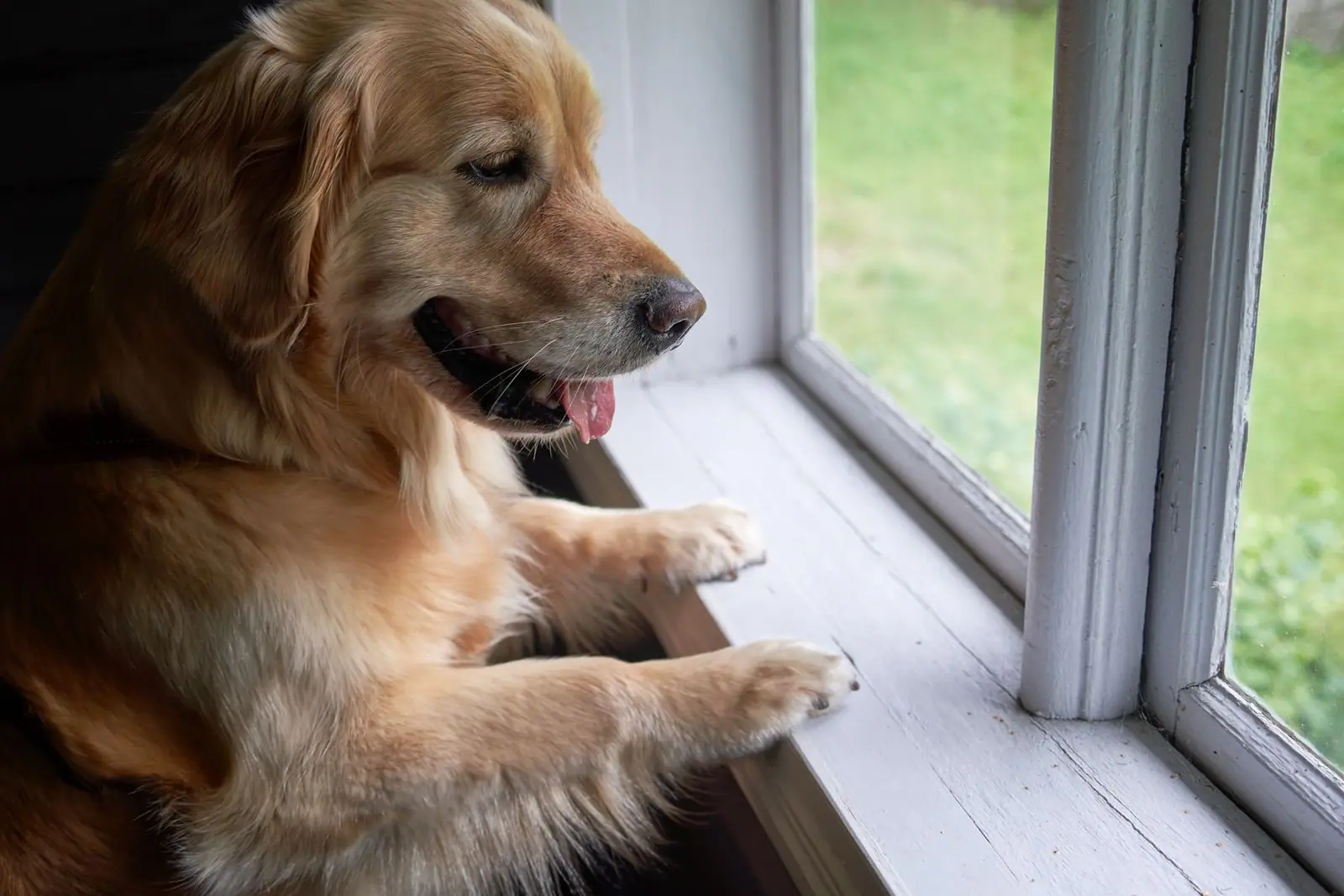
The dog barks at the window. Someone passes. The dog keeps barking. The person walks on. The dog has now been paid for barking, and does it again tomorrow with more conviction.
That loop is why window barking gets worse over months and why shouting at the dog does not interrupt it. You are adding noise to a situation the dog already finds arousing.
First, work out what kind of barking it is
They look similar from the sofa and need different handling.
- Alert and territorial barking. Sharp, repetitive, aimed at a specific trigger, stops when the trigger leaves. Body leaning forward.
- Fear barking. Higher pitched, often with backing away, tucked tail, or retreating and returning. The 13,715-dog Finnish survey found noise sensitivity in 32 percent of dogs, the most common anxiety trait it measured, so fear is a more likely explanation than most owners assume.
- Frustration barking. Aimed at things the dog wants to reach, often with whining and spinning.
- Boredom barking. Undirected, rhythmic, happens when nothing is going on.

Management first, training second
Management is not a failure to train. It stops the rehearsal while training does its slower work.
- Block the view. Window film at dog height, furniture moved away from the sill, or the front room closed during the busy hours. Cheap and immediate.
- Mask the sound. A radio or a fan removes the small outdoor noises that start the sequence.
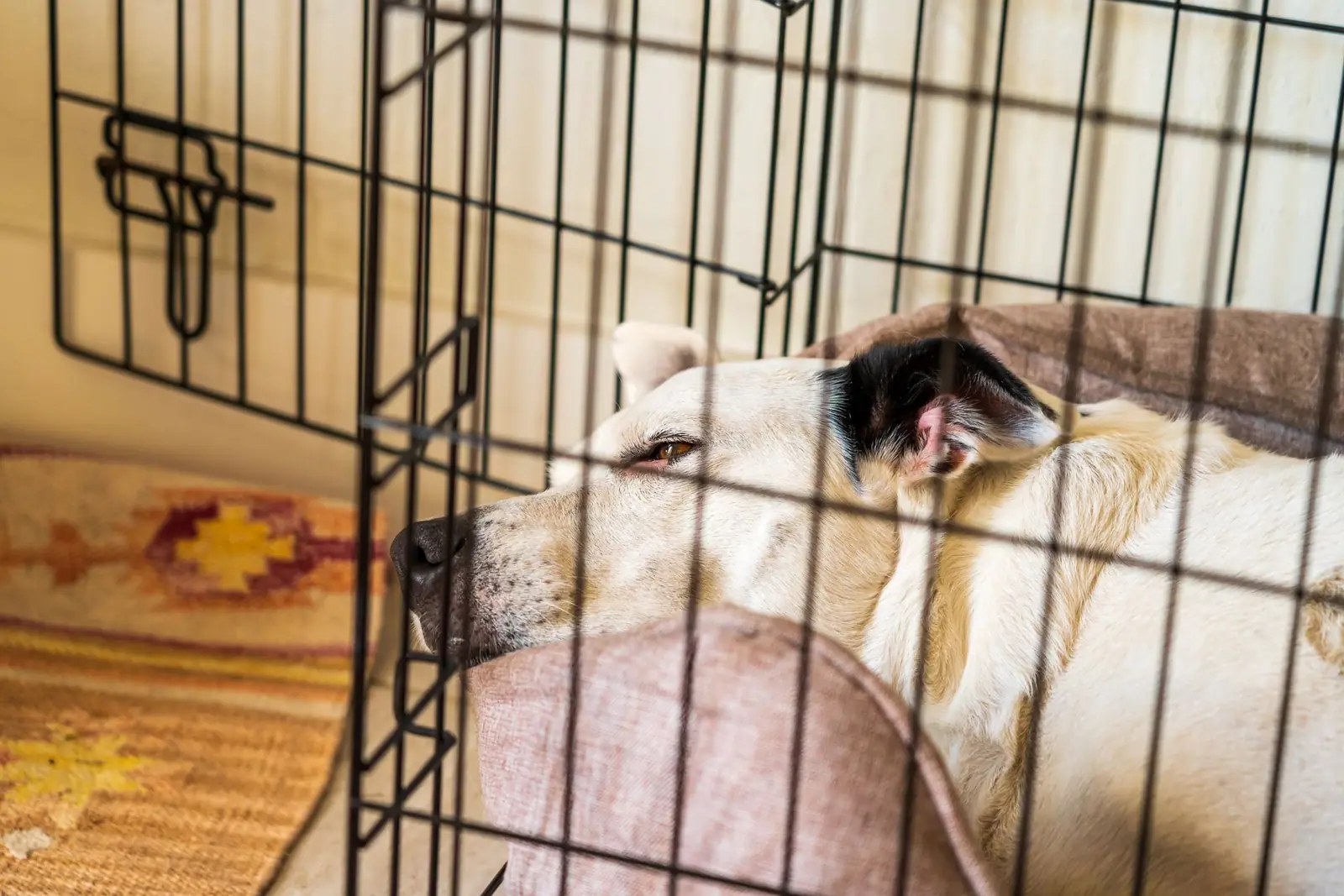
- Change the geography. Give the dog a comfortable place to rest away from the front of the house, and make it genuinely nice.
Then teach a different answer
The goal is not silence. It is a dog that notices the trigger and then does something else.
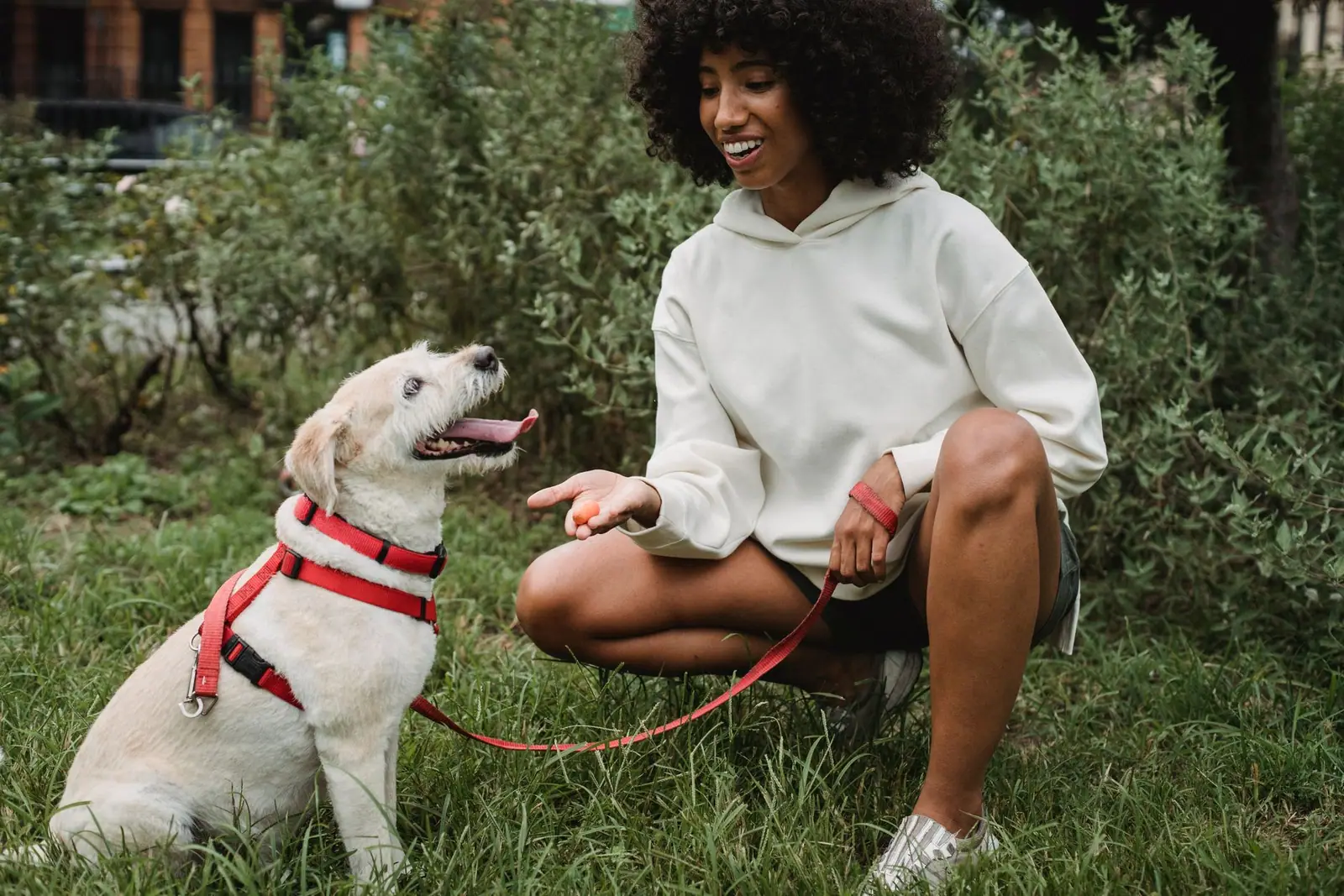
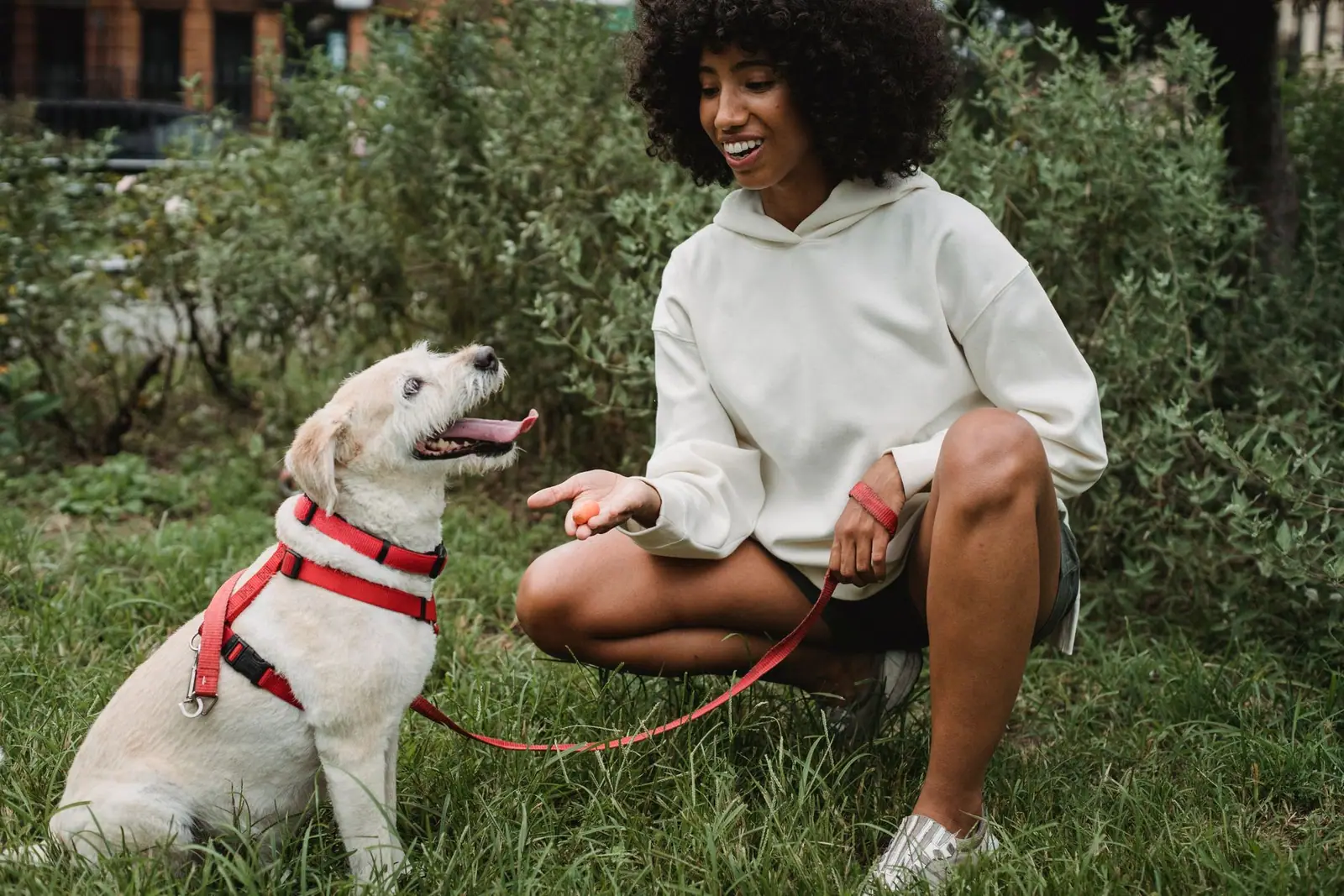
- Mark the noticing, not the barking. The moment the dog sees the trigger and before it barks, say your marker word and pay. You are teaching that people outside predict food from you.
- Teach a go-to-mat behaviour away from the window and build it until the dog chooses it when something passes.
- Work under threshold. Practise at a distance and a volume where the dog can still think. If it is barking, the session is too hard and nothing is being learned.
- Be boring when it happens anyway. Calmly lead the dog away. No shouting, which sounds like joining in.
The American Veterinary Society of Animal Behavior recommends reward-based methods for all dog training and behaviour modification, and states there is no evidence that aversive training is necessary. Devices that punish barking can suppress the noise while leaving, or worsening, the fear underneath it.
Give the barking somewhere else to go
Much of the intensity comes from a dog with more arousal than outlet. Sniffing walks where the dog sets the pace, food scattered in grass, chew time and short training sessions all lower the baseline. A dog that has used its nose for twenty minutes is a different dog at the window.
The trainer selection guide helps define who can address the behavior. The basic class cost guide distinguishes a group class from a targeted behavior service.
Questions people ask
Why does my dog bark at people walking past?
Because it works. The person always leaves, so the barking appears to succeed every single time, and behaviour that gets rewarded gets repeated.
Should I let my dog look out of the window?
If the view is quiet, it is enrichment. If it is a busy pavement and the dog barks at everything, the window is rehearsing a behaviour you are trying to reduce.
Do anti-bark collars work?
They can suppress barking in the short term. AVSAB recommends reward-based methods for all training and states there is no evidence aversive tools are necessary, and they do not address fear.
How long does it take to stop window barking?
Management works the same day. Retraining takes weeks and depends on how long the habit has been rehearsed and whether fear is involved.
Where these figures come from
- Position Statement on Humane Dog Training American Veterinary Society of Animal Behavior · avsab.org
- Prevalence, comorbidity, and breed differences in canine anxiety in 13,700 Finnish pet dogs Scientific Reports · pmc.ncbi.nlm.nih.gov
- Veterinary behaviorists: No role for aversive dog training practices American Veterinary Medical Association · avma.org
Figures last checked September 2026.