On this page
Almost every backyard keeper loses birds to a predator sooner or later. Raccoons, foxes, coyotes, hawks, owls, weasels, dogs and rats all take chickens. The losses feel sudden, but most follow a weakness that was there from the start.
The coop is only as strong as its weakest opening.
Key figures
- 12 inches Suggested depth for buried hardware cloth
- every night Lock hens inside before dark
Why chicken wire fails
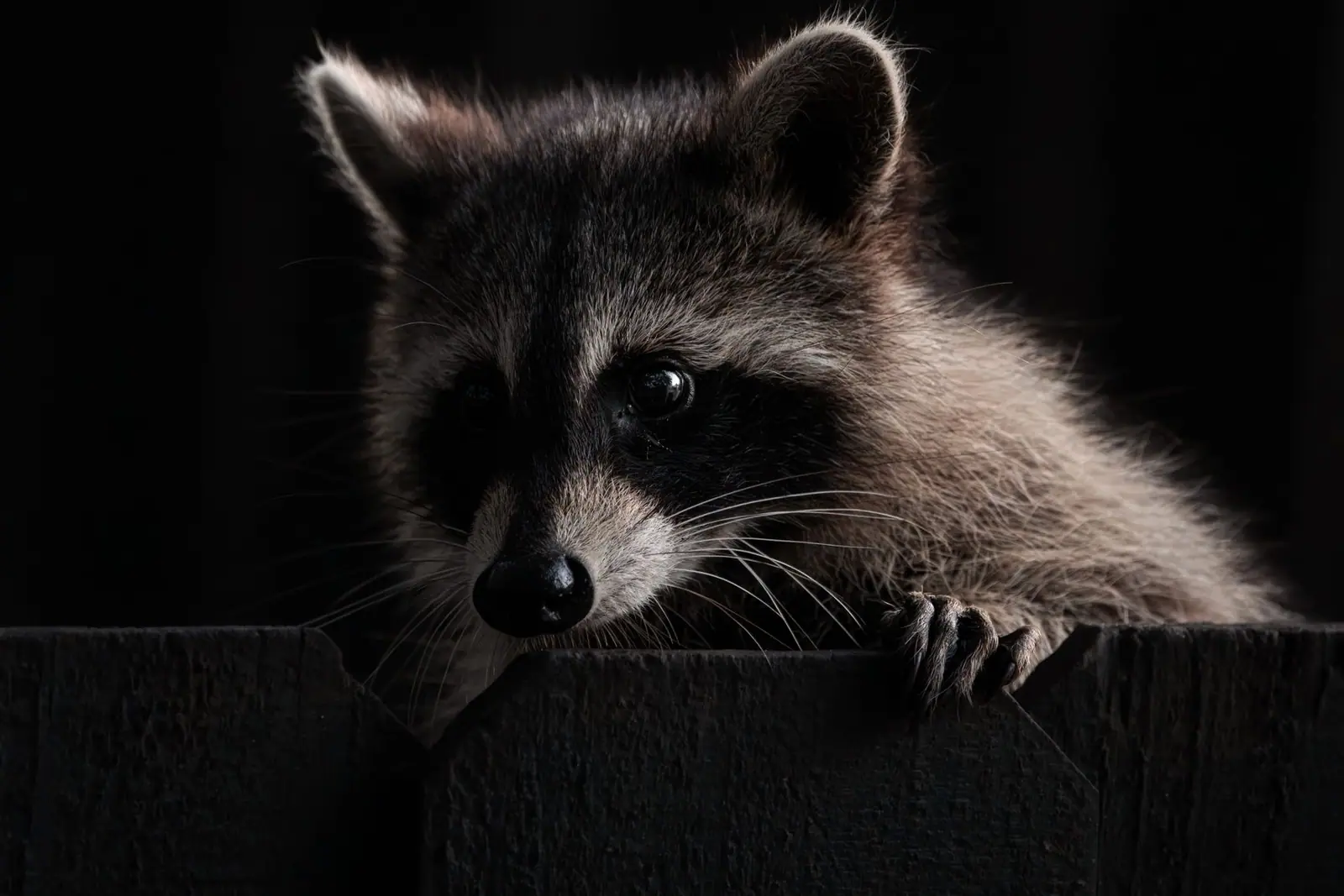
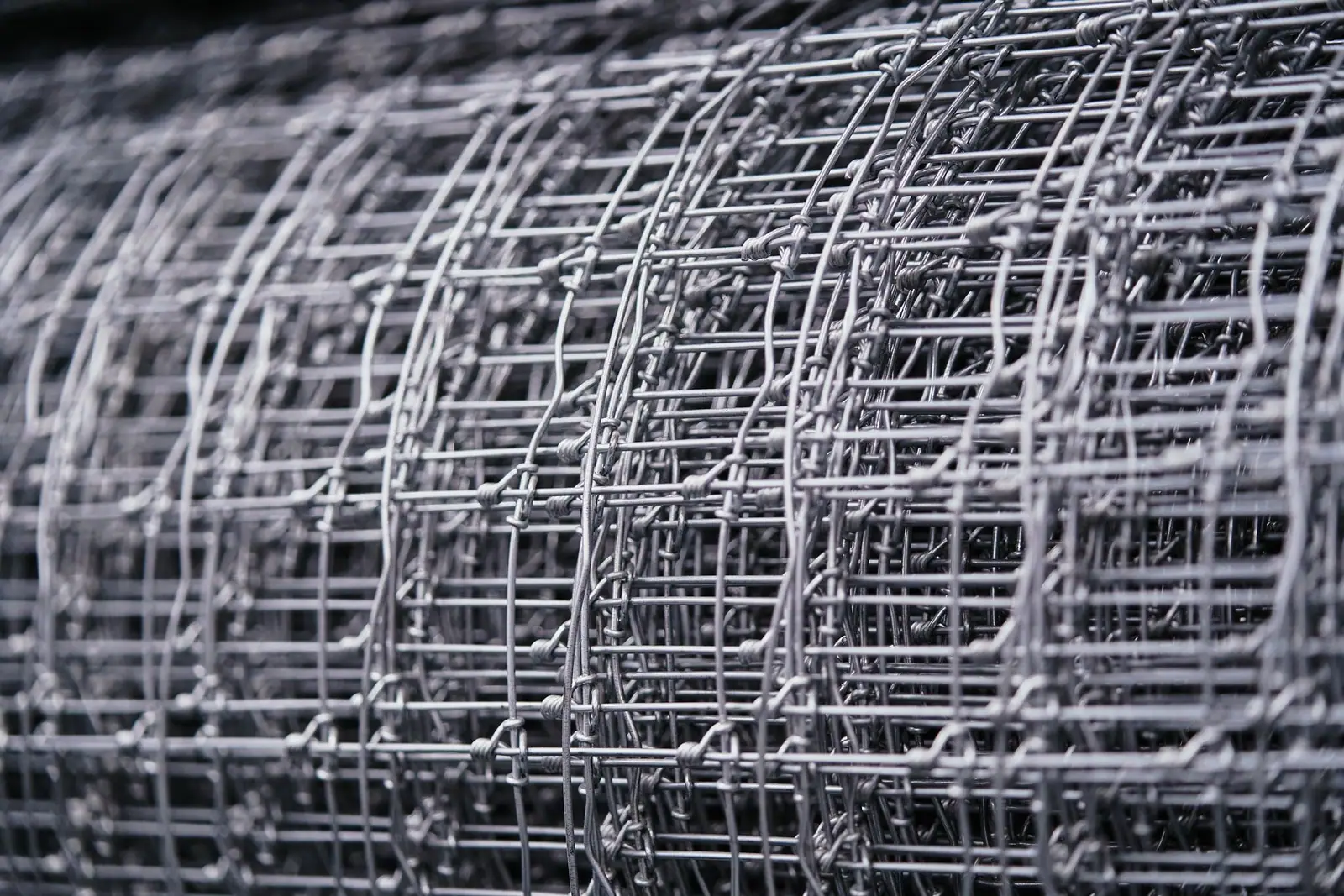
Chicken wire is light, twisted wire with large holes. It keeps hens from wandering, but raccoons can tear it or reach through to grab birds, and small predators squeeze through. The Extension Foundation’s poultry program notes that least weasels can get through holes as small as a quarter inch, which means they get through chicken wire.
Use welded hardware cloth instead, with a quarter-inch to half-inch mesh, on windows, vents, doors and the run walls near the ground.
Stop the diggers
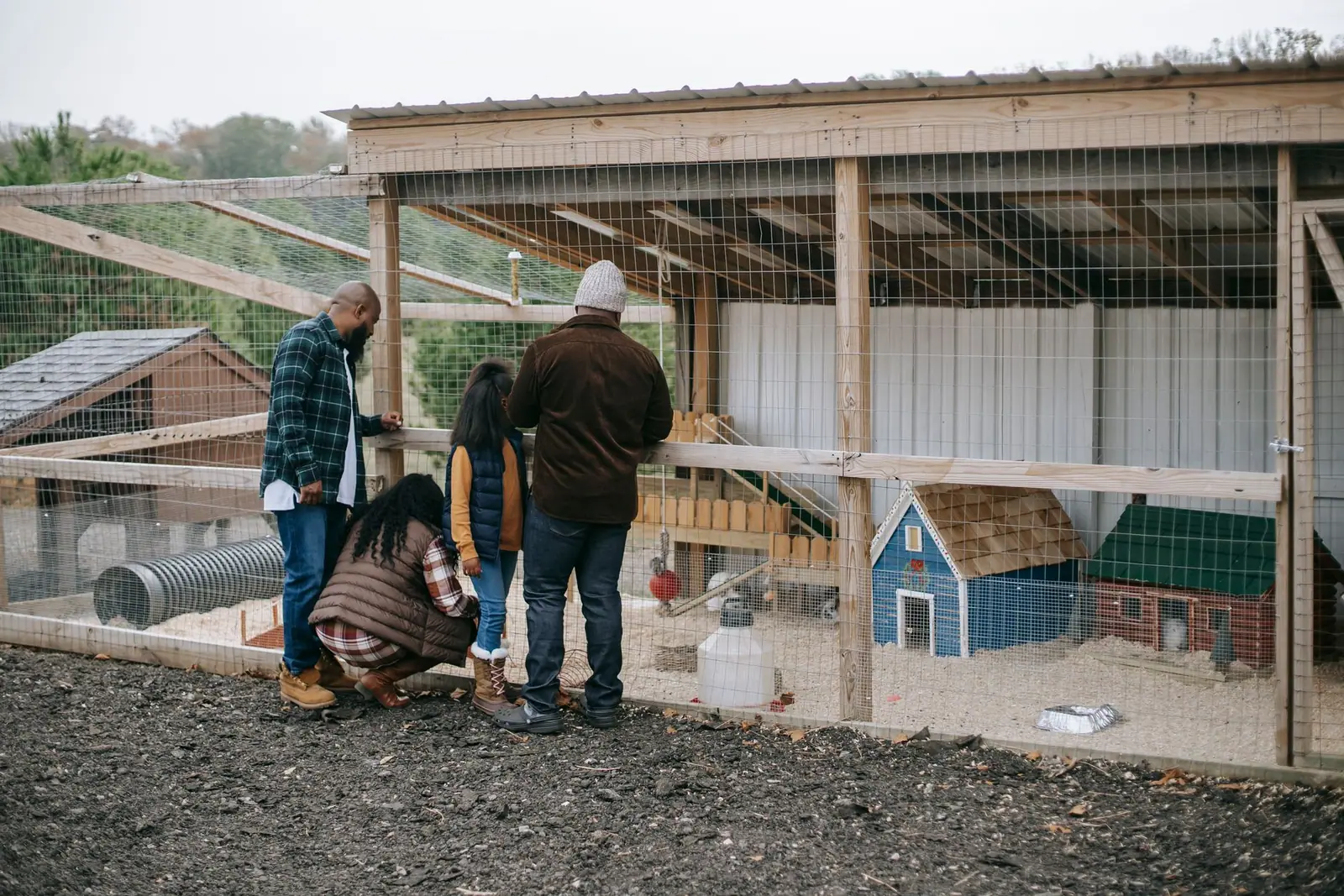
Foxes, dogs and coyotes dig under fences. The Extension Foundation recommends burying hardware cloth at least 12 inches into the ground around the run. Colorado State University Extension also suggests burying galvanized hardware cloth around the perimeter when digging is a problem.
An alternative is an apron: mesh laid flat on the ground outward from the base of the run and pinned down. Animals dig at the fence line and hit wire.
Cover the top
Hawks hunt by day and owls at dusk. Colorado State Extension suggests covering the run with welded wire, netting or crisscrossed wires overhead. A solid roof over part of the run also gives shade and keeps feed dry.
The nightly routine
- Close the coop before dark. Colorado State notes owls may hunt at dusk, so do not wait until night.
- Use latches a raccoon cannot open. A carabiner or two-step latch beats a simple hook.
- Count birds as you close up.
- Remove feed at night or store it in metal cans, so rats have nothing to come for.
- Walk the fence line weekly for gaps and digging.
Automatic coop doors close at a set time or light level. They are useful, but a hen that stays out is locked out. Check the count after the door closes.
The automatic coop door comparison prices one opening and its backup routine. The run roof quote guide addresses the overhead part of containment.
Questions people ask
What is the best wire for a chicken run?
Welded hardware cloth with a quarter-inch to half-inch mesh. Chicken wire keeps chickens in but does not keep predators out.
How deep should I bury wire around a chicken run?
The Extension Foundation recommends at least 12 inches, or use a flat apron of mesh pinned outward from the base.
What kills chickens at night without eating them?
Several predators, including raccoons and weasels, may kill without eating much. Identify the predator from tracks and signs, and seal every gap.
Do I need to cover the top of the run?
Yes, where hawks and owls hunt. Netting, welded wire or crisscrossed wires overhead all help.
Where these figures come from
- Predator Management for Small and Backyard Poultry Flocks Extension Foundation, Small and Backyard Poultry · poultry.extension.org
- Chickens and Predators Colorado State University Extension · extension.colostate.edu
Figures last checked September 2026.