On this page
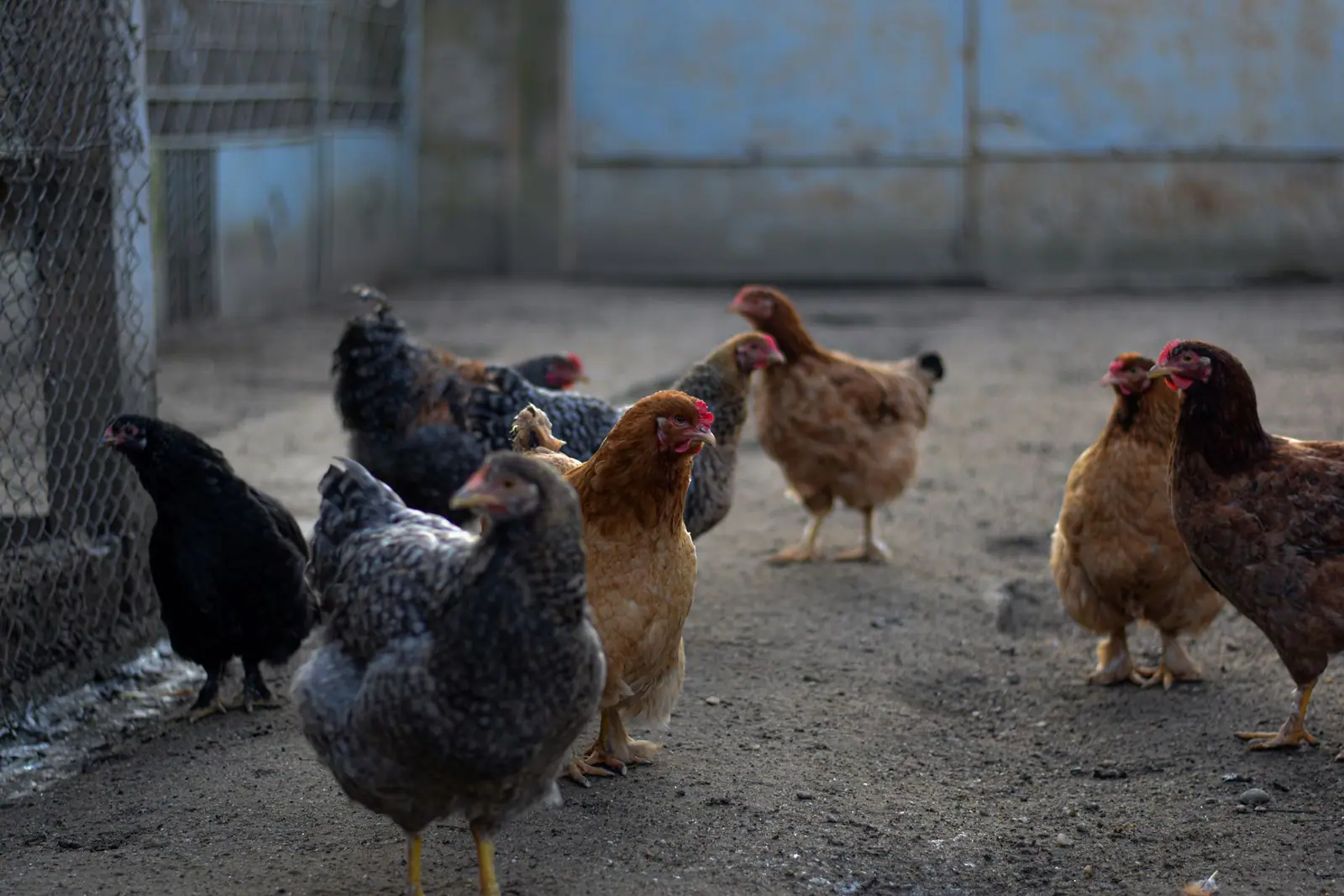
Crowded hens peck each other, fight over feed, foul their bedding faster and get sick more often. Most flock problems that look like behavior or health issues start with too little space.
The fix is to size the coop by floor area, not by the number on the box.
Key figures
- 3 to 4 square feet Indoor space per hen with an outdoor run
- 10 square feet Outdoor run space per laying hen
- six inches Roost length per standard-size hen
Floor and run space
The Extension Foundation’s small-flock poultry program recommends a minimum of 3 to 4 square feet per laying hen indoors and 10 square feet per hen outdoors.
Oregon State University Extension gives a similar rule: at least 3 square feet per bird if there is a run, and 8 to 10 square feet per bird if the birds stay inside.
- Coop floor, with an outdoor run3 to 4 sq ft
- Coop floor, no outdoor access8 to 10 sq ft
- Outdoor run10 sq ft
From the Extension Foundation's small and backyard poultry program and Oregon State University Extension. These are minimums; more space reduces pecking and mess.
Roosts and nest boxes
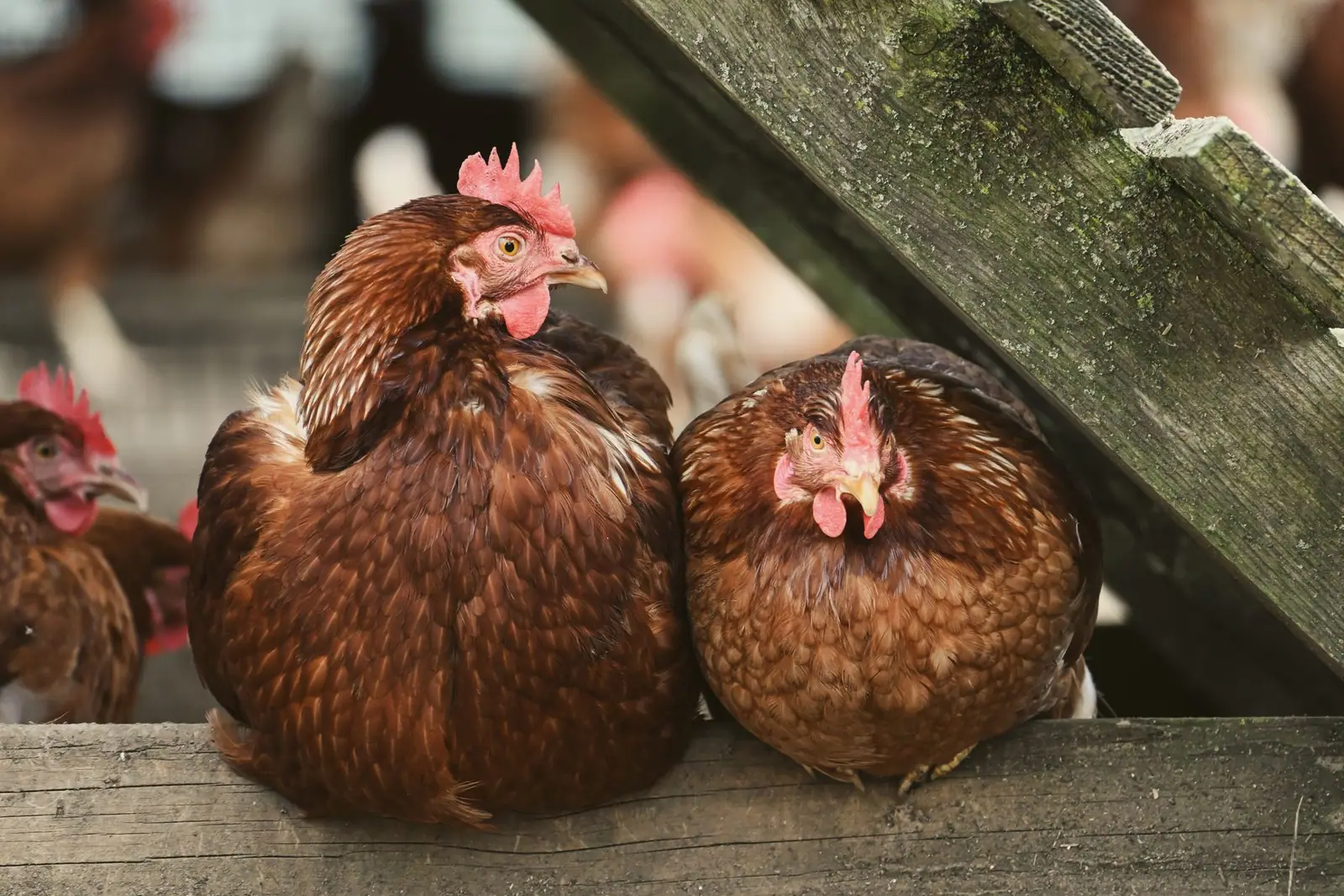
- Roosts. Penn State Extension suggests about six inches of roost per standard-size bird, with roosts spaced a foot apart and 18 to 24 inches off the floor.
- Roost shape. Oregon State recommends 1- to 2-inch lumber with the top edges rounded. Round dowels are hard on feet.
- Nest boxes. One box for every few hens is plenty. Hens share, and often all pick the same one.
Checking a prefab coop
Many small prefab coops advertise room for more hens than extension guidance supports. Before buying:
- Measure the enclosed floor in feet and multiply length by width.
- Divide by 4 for a coop with a run, or by 10 if hens will be shut in.
- Measure the roost and divide by six inches.
- Use the smallest number as the real capacity.
In snowy climates hens may stay inside for days. Size the coop for the worst week of the year, not for a sunny afternoon.
The build-or-buy comparison prices housing choices after space is established. The nest-box budget keeps laying resources separate from total floor area.
Questions people ask
How big should a coop be for 6 chickens?
With an outdoor run, about 18 to 24 square feet of coop floor and around 60 square feet of run. Without outdoor access, far more.
How many nest boxes do I need?
One box for every few hens is common. Hens tend to share favorite boxes.
How high should chicken roosts be?
Penn State Extension suggests 18 to 24 inches above the floor, with roosts a foot apart.
Are prefab coops big enough?
Often not for the number of hens advertised. Measure the floor and roost and apply extension space figures.
Where these figures come from
- Space Allowances in Housing for Small and Backyard Poultry Flocks Extension Foundation, Small and Backyard Poultry · poultry.extension.org
- Living on the Land: Backyard Chicken Coop Design Oregon State University Extension · extension.oregonstate.edu
- Small Scale Poultry Housing Penn State Extension · extension.psu.edu
Figures last checked September 2026.