On this page
Many cats see a vet as kittens and then not again until something is obviously wrong. By then, the problem has often been building for months. Cats are very good at hiding pain and illness.
Regular checkups are how small problems get caught while they are still small.
Key figures
- at least once a year Minimum full physical exam frequency for cats
- six months Routine physical exam interval for senior cats
What the guidelines say
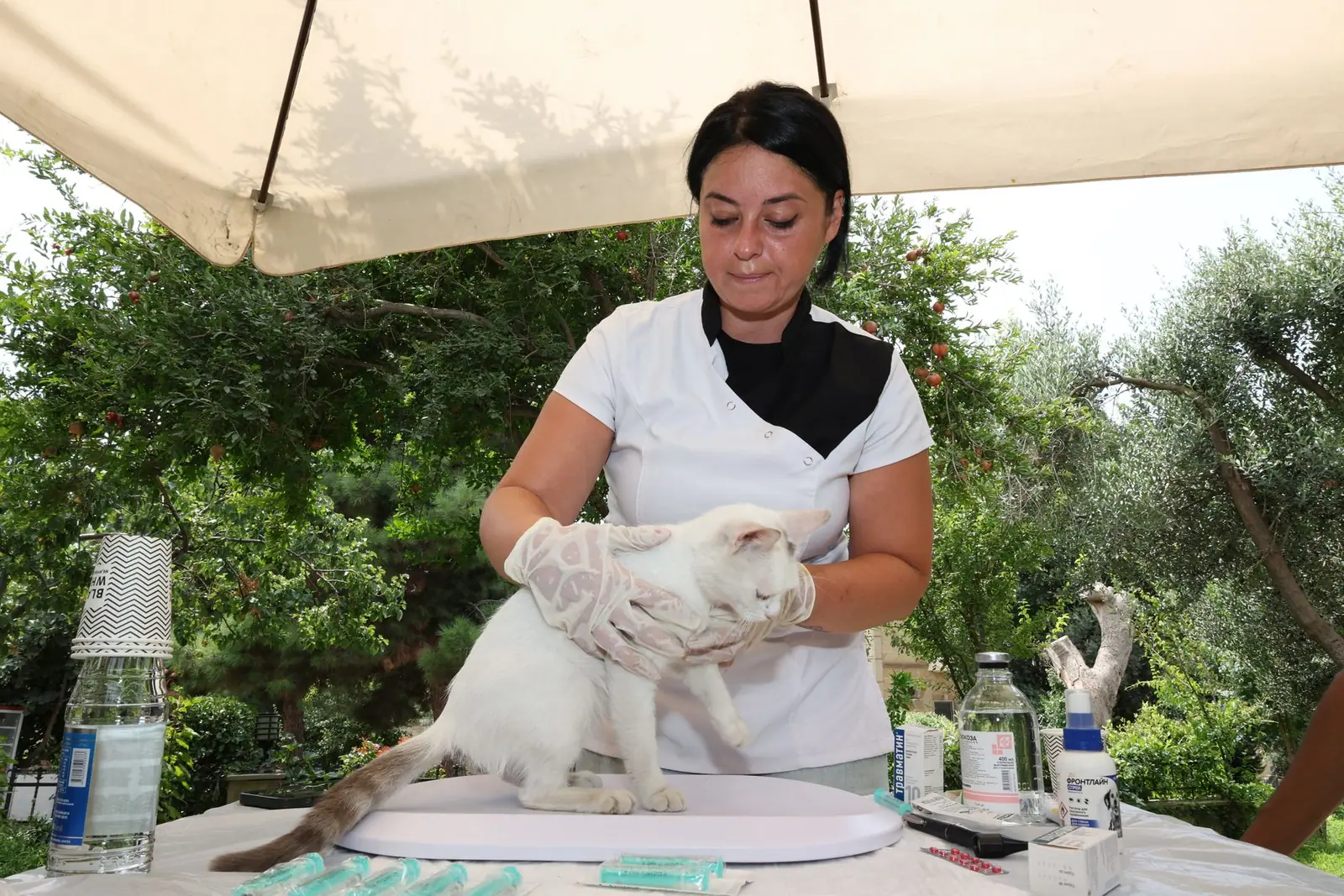
The American Animal Hospital Association and the feline veterinary association published joint Feline Life Stage Guidelines in 2021. AAHA’s chief medical officer summarized them: all cats need full physical examinations at least annually, and senior cats should have checkups every six months.
| Life stage | Typical visit schedule |
|---|---|
| Kitten | Several visits in the first months for vaccines, deworming and spay or neuter |
| Young adult and mature adult | At least once a year |
| Senior | Every six months |
What a checkup covers
- Weight and body condition, because weight change is an early sign of many diseases
- Teeth and gums, since dental disease is very common in adult cats
- Heart, lungs and abdomen
- Vaccines and parasite prevention, based on lifestyle
- Behavior and litter box habits, which often reveal medical problems
- Blood and urine tests, especially for older cats
Signs that mean do not wait for the checkup
- Straining in the litter box or producing little urine, especially in a male cat
- Not eating for more than a day
- Vomiting more than once a week, or repeated vomiting in a day
- Breathing with an open mouth, or labored breathing
- Sudden weight loss, hiding or lethargy
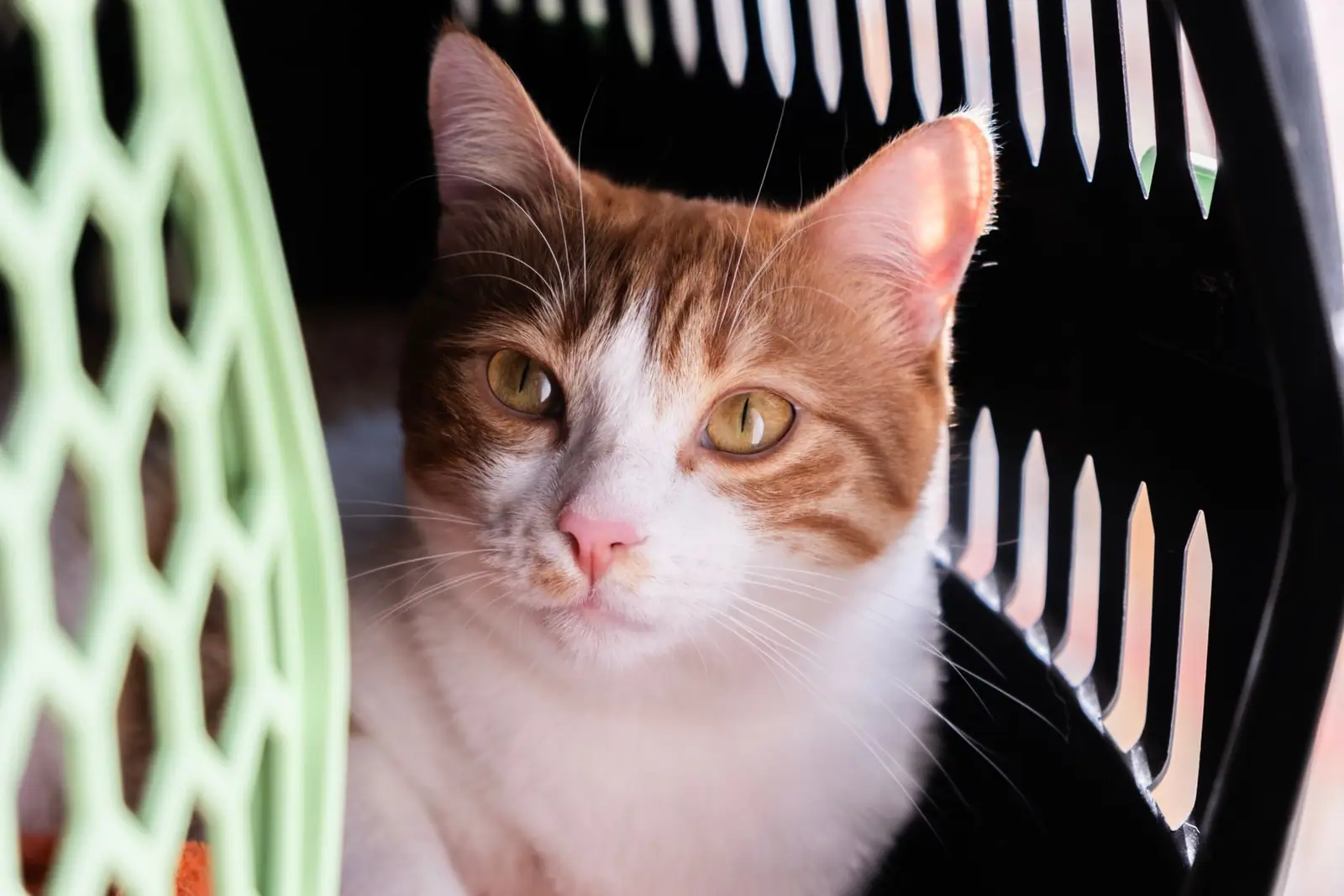
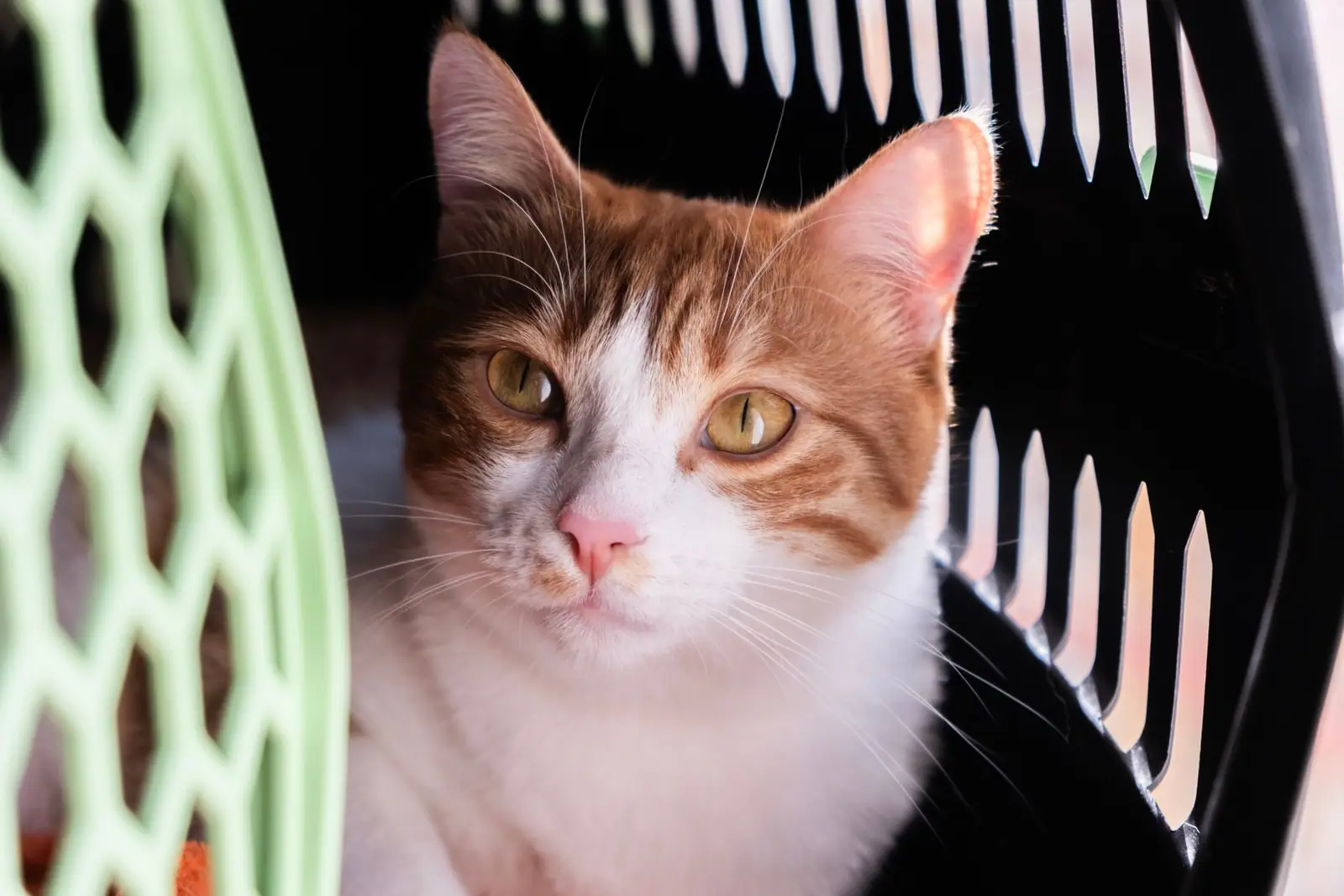
Many cats fight the carrier because it only appears before a vet trip. Keep it out with bedding and treats inside, and the visit starts calmer.
The adult cat annual budget keeps planned visits visible alongside recurring purchases. The carrier guide addresses the equipment used to reach the appointment. The vomiting guide distinguishes a new concern from a routine appointment.
Questions people ask
Do indoor cats need yearly vet visits?
Yes. Indoor cats still develop dental disease, kidney disease, diabetes and weight problems, and they hide the signs well.
At what age is a cat a senior?
Guidelines generally treat cats from about 10 years old as seniors, when twice-yearly checkups are recommended.
How often do kittens need to see the vet?
Several times in the first months, typically every few weeks for vaccines and deworming, then for spay or neuter.
Why does my vet want blood work for my older cat?
Blood and urine tests catch kidney disease, thyroid disease and diabetes early, when they are easier to manage.
Where these figures come from
- AAHA and AAFP Release Updated Feline Life Stage Guidelines American Animal Hospital Association · aaha.org
Figures last checked September 2026.