On this page
Litter aisles are full of promises: odor lock, dust free, lasts a month. The cat does not read the bag. It judges litter by feel and smell, and if it does not like what it finds, it goes somewhere else.
Key figures
- $150 a year ASPCA historical yearly litter budget
- week or two Gradual transition time between litter types
How the main types compare
| Litter | Strengths | Weaknesses |
|---|---|---|
| Clumping clay | Easy scooping, fine texture many cats like | Heavy, can be dusty |
| Non-clumping clay | Cheap | Soaks through, needs frequent full changes |
| Silica crystal | Light, absorbs odor well | Texture some cats dislike, hard to spot urine changes |
| Pine or wood | Natural scent, often compostable | Pellets may not suit all cats |
| Corn, wheat or grass | Clumps, lighter than clay | Can attract bugs if stored poorly |
| Recycled paper | Very low dust, soft | Poor odor control |
What cats tend to like
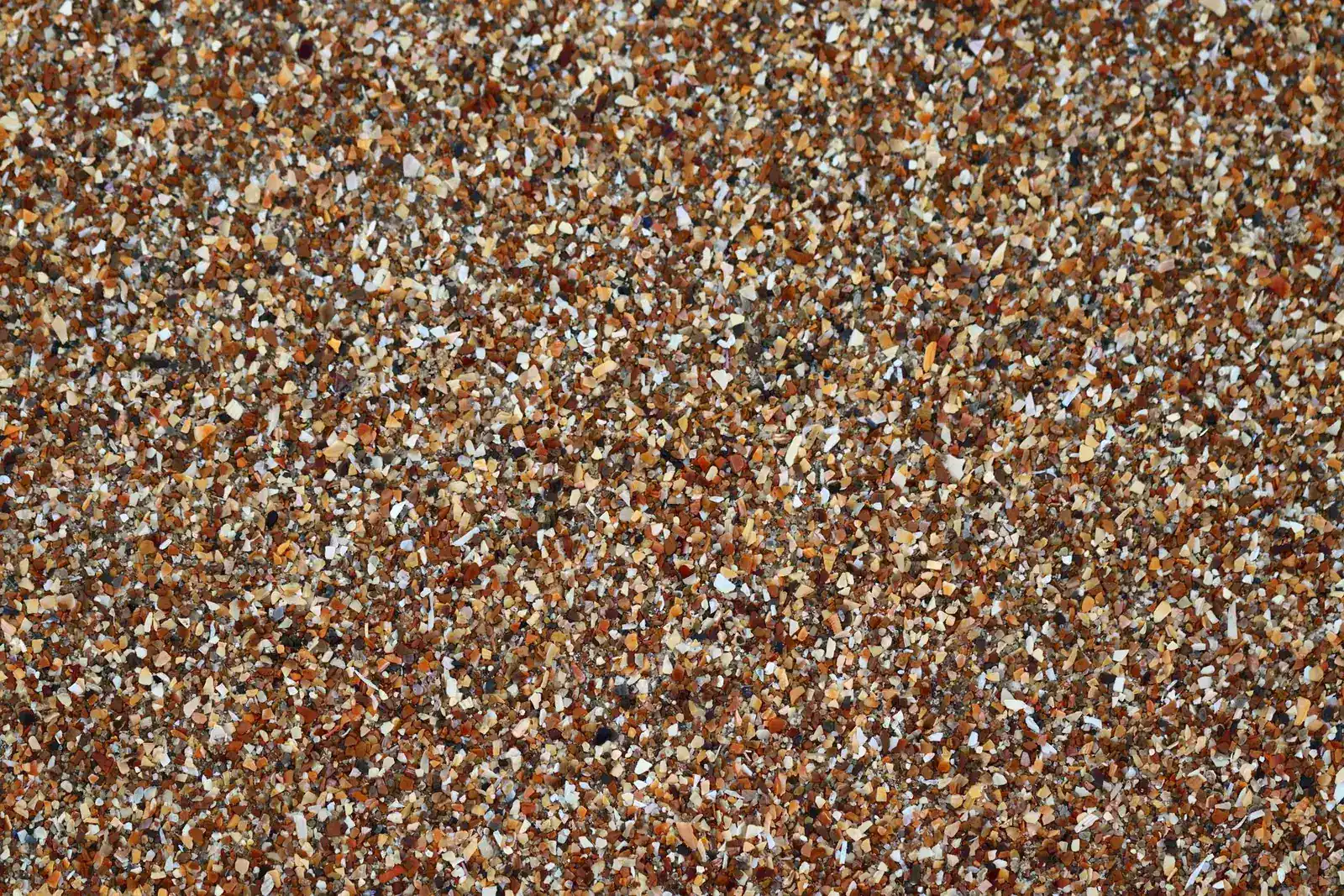
- Fine texture, similar to sand
- No strong scent. Perfumed litter can put cats off.
- A few inches deep, enough to dig and cover
- Clean. No litter works if the box is not scooped.
Clumping litter has an extra advantage: urine forms clumps you can see. Daily scooping shows whether your cat is peeing more, less or not at all, which matters for health.
Switching litter without trouble
- Mix a little new litter into the old.
- Increase the share over a week or two.
- Or offer the new litter in a second box and let the cat choose.
Comparing cost fairly
Compare litters by cost per month, not by bag price. A cheap litter that needs a full change twice a week can cost more than a pricier one you top up. The ASPCA’s cost estimates put litter at around $150 a year for one cat.
If a cat stops using a litter it used happily before, consider a medical problem before blaming the litter.
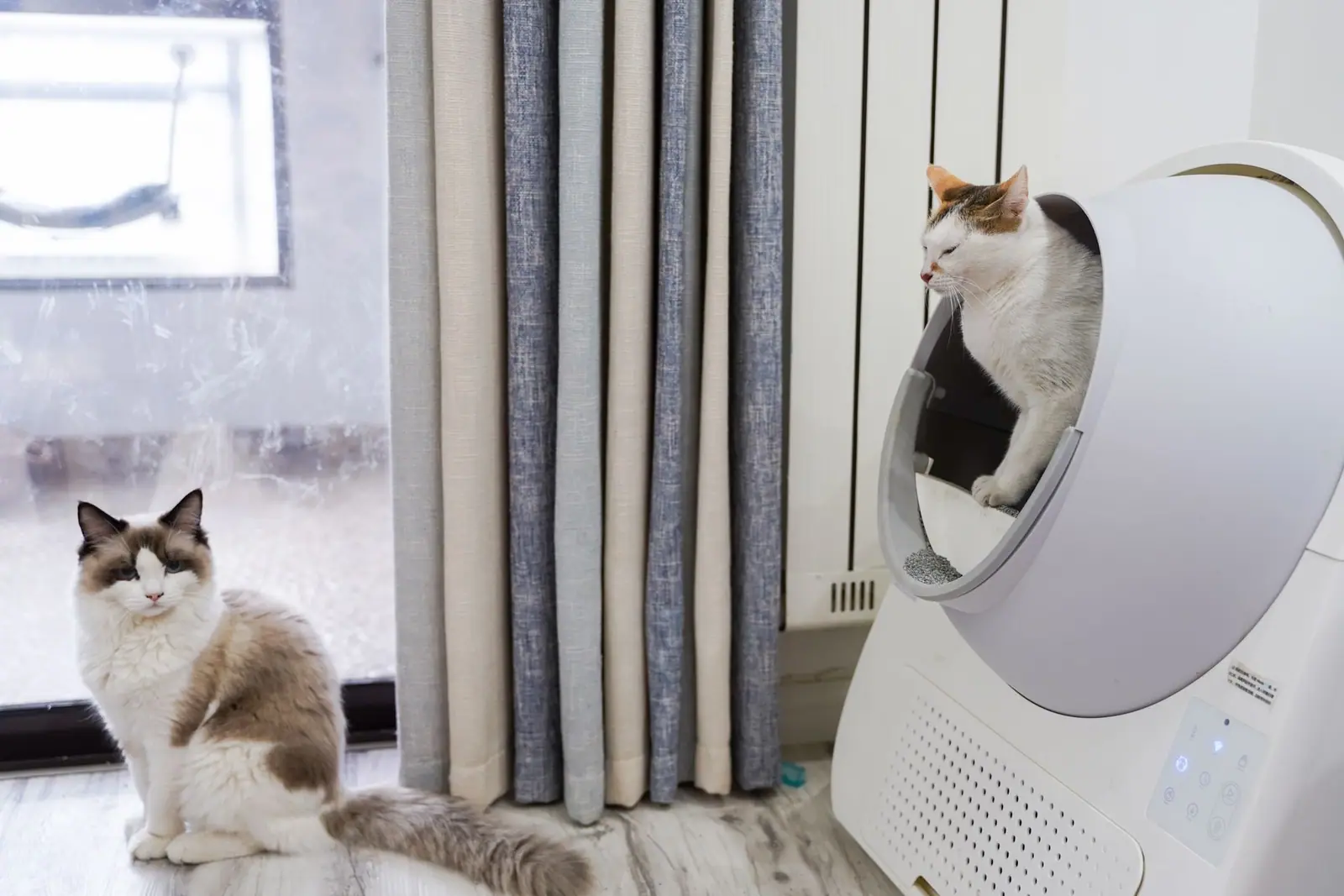
The litter box placement guide covers access as well as the material in the tray. The automatic litter box comparison identifies compatibility and upkeep when a machine is considered. The kitten litter setup budget covers initial supplies, while house-soiling guidance addresses a change in use.
Questions people ask
What is the best cat litter?
The one your cat uses reliably. Many cats prefer fine, unscented clumping litter.
Is scented litter bad for cats?
Strong scents can deter some cats. Unscented litter and daily scooping control odor without the risk.
How deep should cat litter be?
A few inches, enough for the cat to dig and cover. Too shallow or too deep can both put cats off.
How do I switch cat litter?
Mix the new litter into the old gradually over a week or two, or offer it in a separate box.
Where these figures come from
- Cutting Pet Care Costs ASPCA · aspca.org
- Feline Behavior Problems: House Soiling Cornell Feline Health Center · vet.cornell.edu
Figures last checked September 2026.