On this page
Tap water is treated to kill germs, and that is exactly what makes it dangerous for a tank. The same disinfectants that protect people can damage fish gills and wipe out the bacteria your filter depends on.
Chlorine vs chloramine
Water utilities use one of two disinfectants:
| Disinfectant | What happens if you let water stand |
|---|---|
| Chlorine | Gas slowly escapes, especially with aeration |
| Chloramine | Stays in the water; standing and boiling do not remove it |
The EPA says chloramines, like chlorine, are toxic to fish at the levels used in drinking water, and that fish owners need to neutralize or remove them. A University of Florida teaching guide describes chloramine, a mixture of chlorine and ammonia, as very toxic to fish and aquatic animals.
Find out what your utility uses
Your water supplier’s annual water quality report says whether it uses chlorine or chloramine. Many cities have switched to chloramine, so an old habit of letting water sit overnight may no longer work.

How to treat tap water
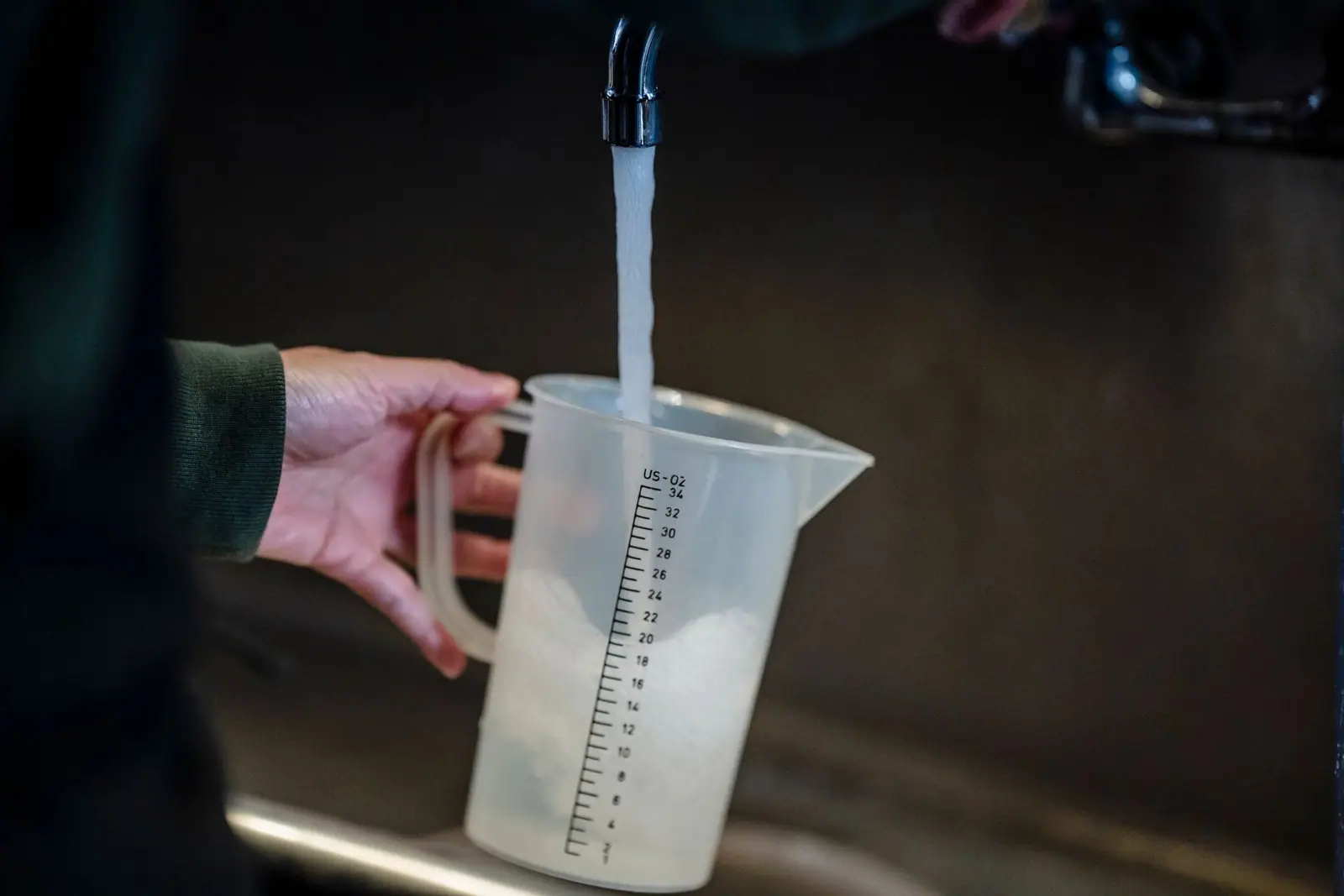
- Use a water conditioner labeled to remove both chlorine and chloramine.
- Dose as the label says, for the volume it tells you to treat. Labels differ on whether to dose for the new water only or for the whole tank when you refill straight from the tap.
- Match the temperature to the tank, roughly, to avoid shocking the fish.
- Rinse filter media only in old tank water, never under the tap.
When a conditioner breaks chloramine apart, some ammonia can remain. Many conditioners bind it temporarily, and a healthy filter removes the rest. This is one more reason to cycle a tank before stocking it.
The water-change guide places source-water preparation within the routine. The new-tank cycle guide covers the biological system that replacement water should support.
Questions people ask
Can I use tap water in a fish tank?
Yes, once it is treated with a water conditioner that neutralizes chlorine and chloramine.
Does letting tap water sit remove chlorine?
Chlorine slowly escapes from standing water, but chloramine does not. The EPA notes it does not dissipate by standing or boiling.
How do I know if my water has chloramine?
Check your utility's annual water quality report or call the utility.
Is bottled or distilled water better for fish?
Not usually. Distilled water lacks minerals fish need, and bottled water is expensive for regular changes. Treated tap water is the norm.
Where these figures come from
- Chloramines in Drinking Water US Environmental Protection Agency · epa.gov
- Common Health Questions Related to Monochloramine US Environmental Protection Agency · epa.gov
- Teach Aquaculture Curriculum: Chlorine, Friend or Foe? University of Florida IFAS Extension · edis.ifas.ufl.edu
Figures last checked September 2026.