On this page
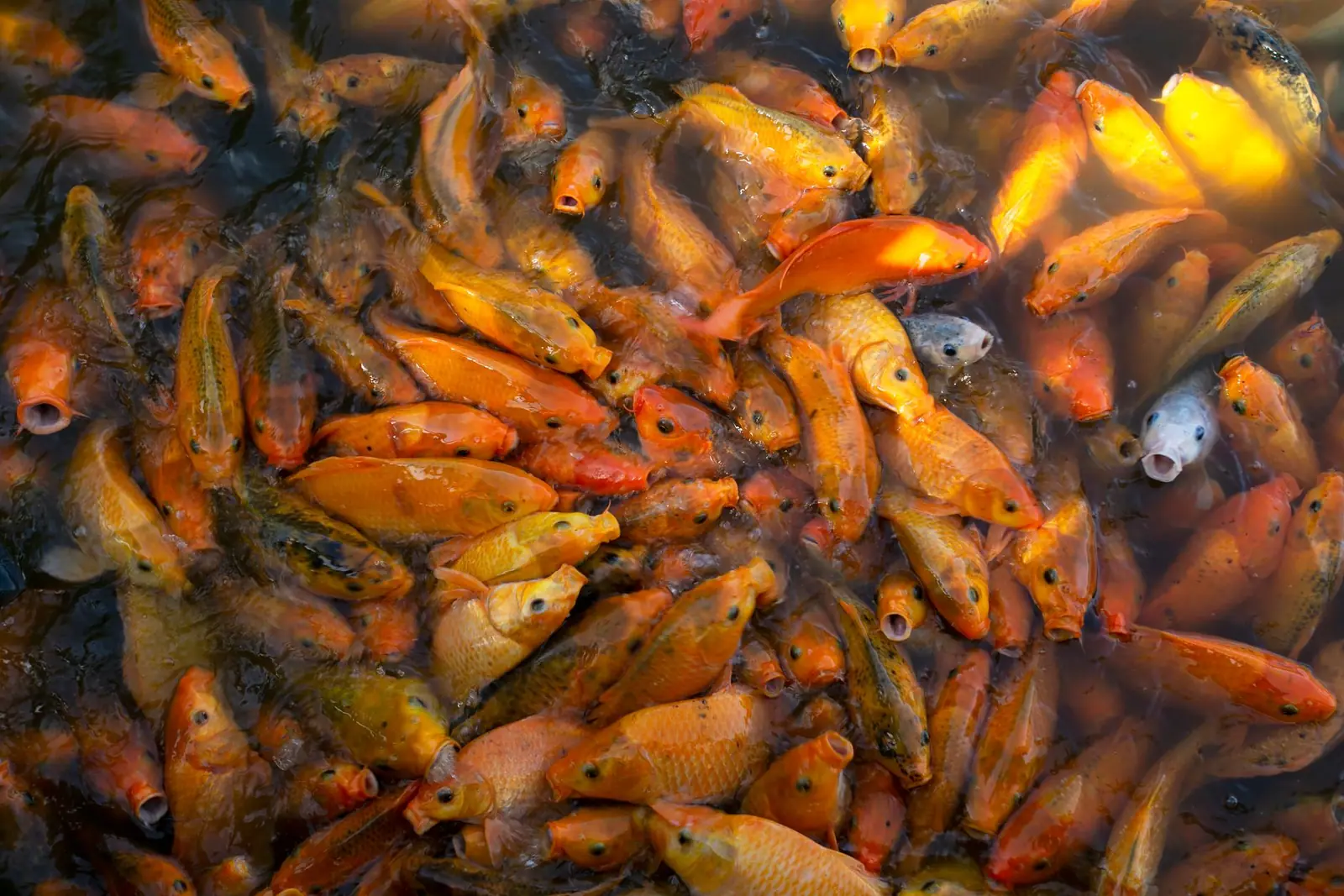
Fish rush to the glass every time someone walks past, and it is hard not to feed them. That enthusiasm is one of the most common ways aquariums go wrong.
Why extra food is dangerous
The University of Florida’s fish health guide notes that ammonia is produced both by fish and by the breakdown of feed and other organic matter. Every flake that sinks uneaten adds to the load the filter has to process. In a new or small tank, that can be enough to push ammonia to harmful levels.
How much and how often
- Feed small amounts that fish eat completely in a couple of minutes.
- Once or twice a day suits most adult community fish.
- Remove leftovers with a net or siphon.
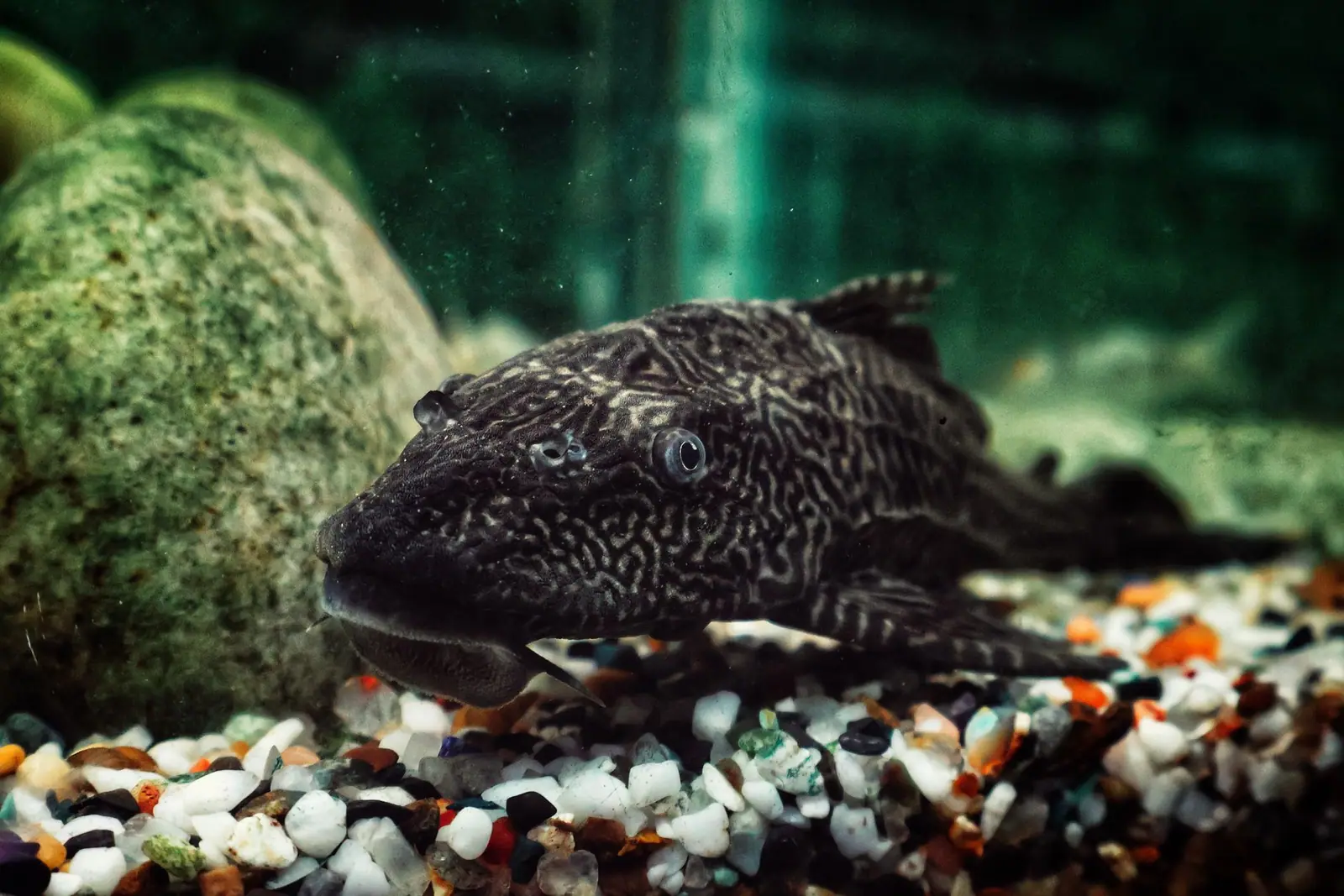
- Match the food to the fish. Bottom feeders need sinking food; bettas need a high-protein diet.
- Skip a day now and then. Many keepers give adult fish one fasting day a week.
Going on vacation
- A weekend away: healthy adult fish are usually fine without food.
- A week or more: ask someone to feed, with doses pre-measured in a pill box so they cannot overdo it.
- Avoid dumping in extra food before leaving. It rots while you are gone.
Cloudy water, food on the gravel, rising ammonia or nitrate readings, and algae growth are all signs the tank is getting more food than it can handle.
The water-change guide addresses waste already in the system. The automatic feeder comparison keeps delivery equipment separate from the amount of food offered.
Questions people ask
How much should I feed my fish?
Only what they finish in a couple of minutes, once or twice a day for most adult fish.
Can fish go a week without food?
Many healthy adult fish can go several days. For a week or more, have someone feed pre-measured portions.
Why do my fish always seem hungry?
Fish are opportunistic feeders and beg whenever they see people. It does not mean they need more food.
Are vacation feeders a good idea?
Some dissolve and foul the water. Pre-measured portions fed by a helper are usually safer.
Where these figures come from
- Ammonia in Aquatic Systems University of Florida IFAS Extension · edis.ifas.ufl.edu
Figures last checked September 2026.