On this page
Hatchery catalogs list dozens of breeds with glowing descriptions. For a backyard egg flock, the choice comes down to a few questions: how many eggs you want, how cold or hot your climate is, how calm the birds need to be around children, and whether egg color matters to you.
The main groups
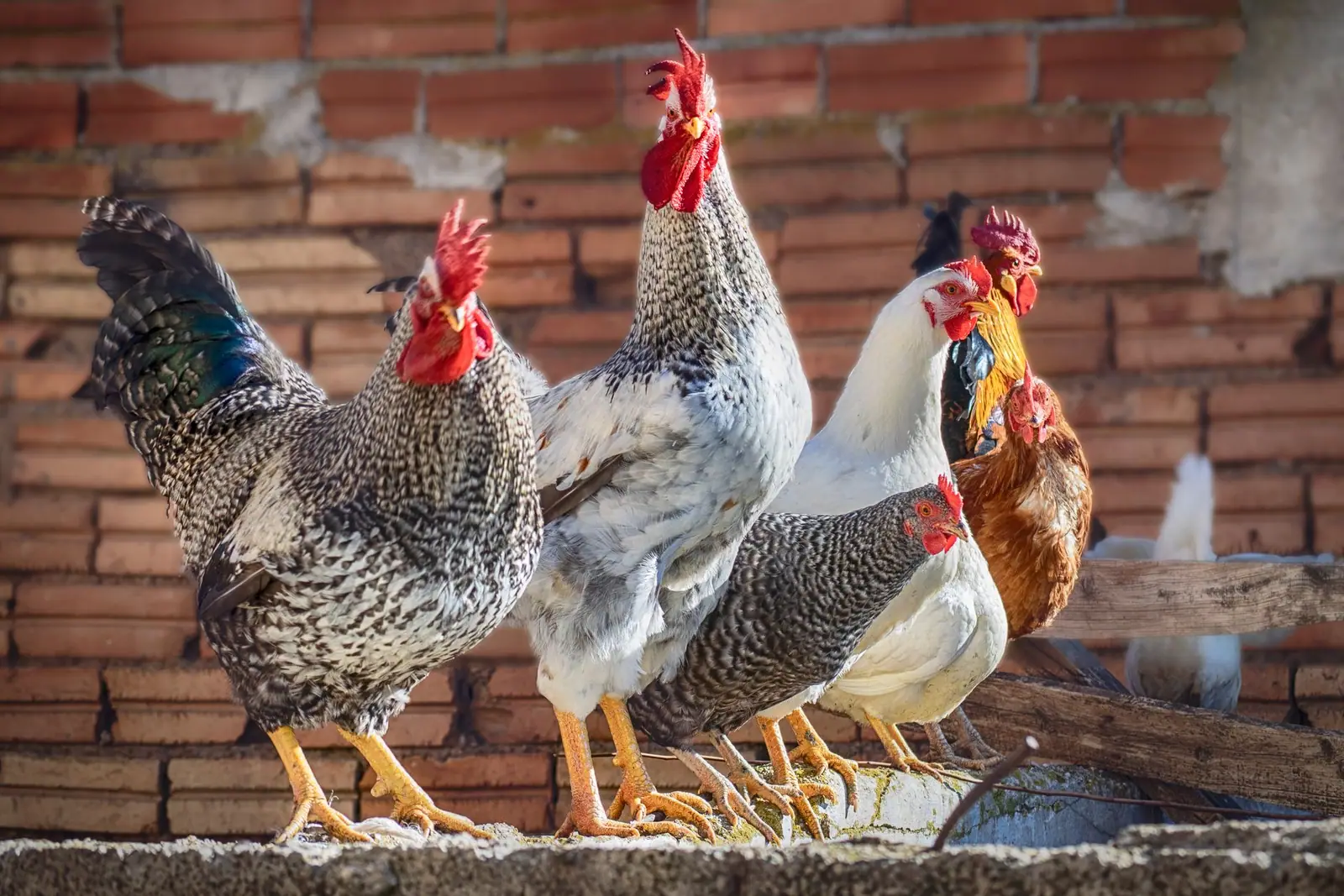
The Extension Foundation’s poultry program describes the White Leghorn as the principal white-egg producer, able to lay 260-plus eggs in 12 months, and lightweight and efficient with feed. Many classic American breeds, including the Plymouth Rock, Rhode Island Red, New Hampshire and Wyandotte, were developed as dual-purpose birds for small family farms.
| Type | Examples | Good for |
|---|---|---|
| Light, high-output layers | White Leghorn | Maximum eggs, warm climates; often flighty |
| Dual-purpose | Plymouth Rock, Rhode Island Red, Wyandotte | Steady laying, cold hardiness, calmer birds |
| Brown-egg hybrids | Sex-linked crosses | High brown-egg output |
| Colored-egg breeds | Ameraucana, Easter Egger types | Blue or green eggs, fewer of them |
| Ornamental and bantam | Silkie, many bantams | Pets and small spaces; few, small eggs |
Match the bird to your climate
- Cold winters: heavier breeds with small combs, which are less prone to frostbite.
- Hot summers: lighter breeds with large combs, which help shed heat, plus plenty of shade.
- Mixed climates: most dual-purpose breeds cope well with good housing.
Temperament and yard size
Lightweight layers tend to be active and flighty and may clear low fences. Heavier dual-purpose breeds are often calmer and easier for children to handle. In a small yard, calm birds that stay put make life easier for you and your neighbors.
Unusual breeds are beautiful, but Oregon State University Extension notes that the more exotic the breed, the poorer egg production tends to be. If eggs are the goal, start with proven layers and add one or two showpieces later.
The laying lifespan guide gives context for production over time. The chicks versus pullets cost guide compares two ways to start the flock.
Questions people ask
Which chicken breed lays the most eggs?
The White Leghorn and commercial laying hybrids are the top producers. The Extension Foundation notes Leghorns can lay 260-plus eggs in a year.
What is the best chicken breed for beginners?
Dual-purpose breeds such as Plymouth Rock or Rhode Island Red are a common choice: hardy, steady layers and usually calm.
What chickens lay blue eggs?
Araucana and Ameraucana hens lay blue or blue-green eggs. Easter Egger mixes lay a range of colors.
Can I mix different breeds in one flock?
Yes. Mixed flocks are common. Avoid pairing very small or docile birds with large, pushy ones.
Where these figures come from
- Selecting a Chicken Breed for Small or Backyard Poultry Flocks Extension Foundation, Small and Backyard Poultry · poultry.extension.org
- Why Did My Chickens Stop Laying? Oregon State University Extension · extension.oregonstate.edu
Figures last checked September 2026.